
Building the Foundation for a Lasting Smile
Dental implants are one of the most reliable ways to replace missing teeth, but not every patient starts with enough healthy bone to support them. Bone loss in the jaw is common after tooth loss, gum disease, or injury. At FORMA Dental Implants & Periodontics, we offer bone grafting procedures that rebuild the foundation needed for long-term implant success. Patients across Oak Brook, Frankfort, and Kankakee turn to our specialists for advanced bone grafting techniques that restore strength and prepare the jaw for dental implants.
What is bone grafting for implants?
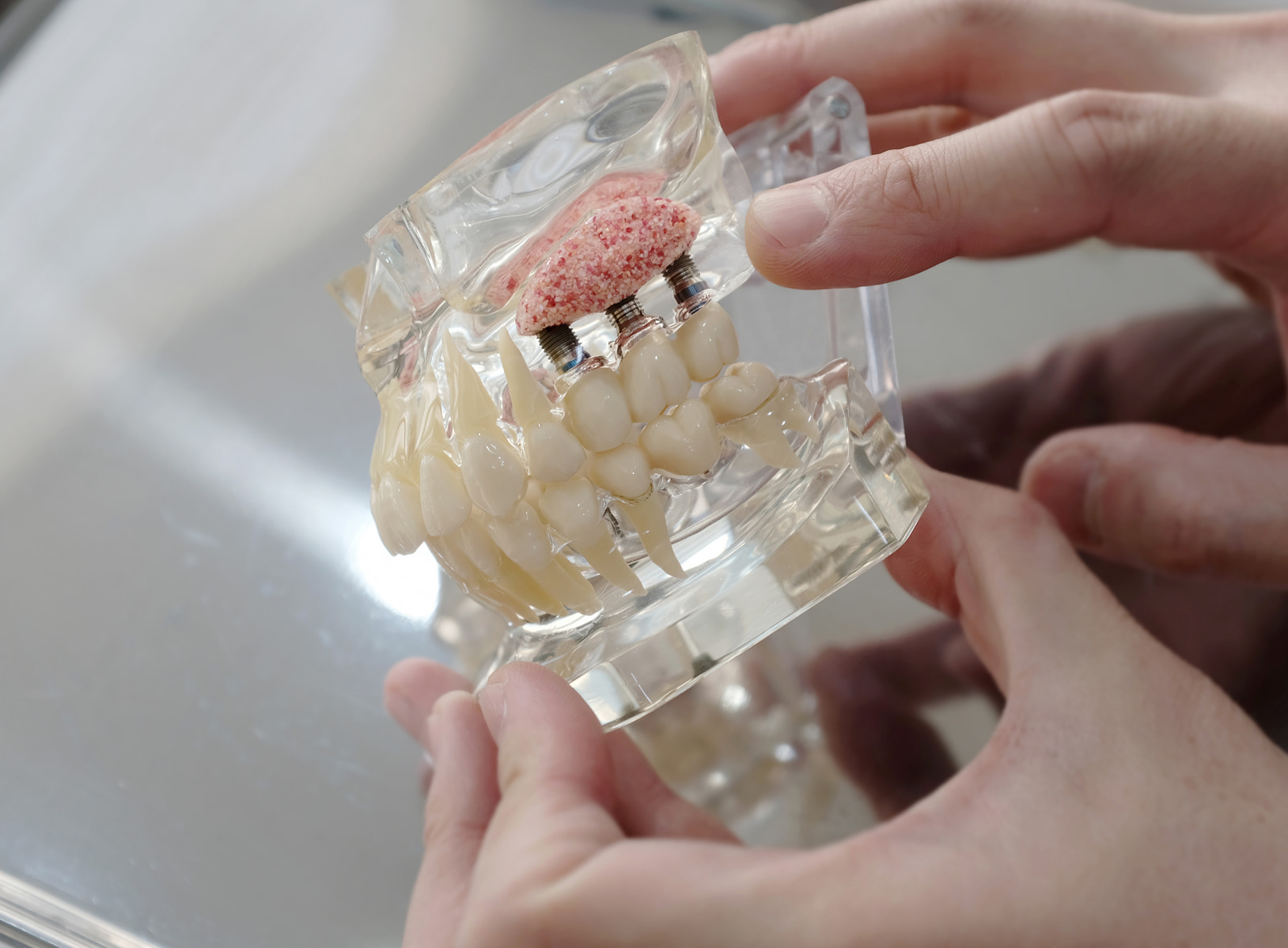
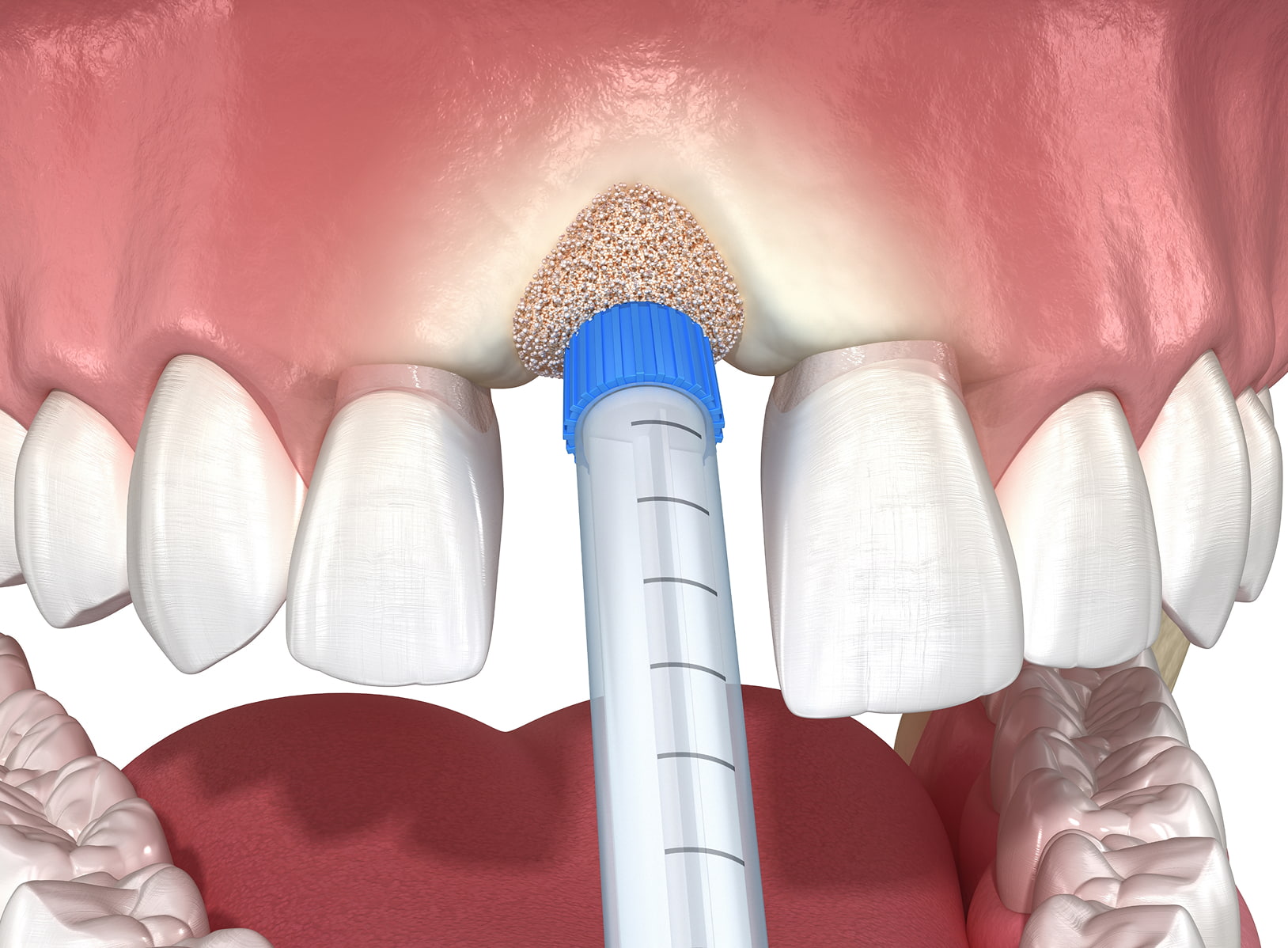
Bone grafting is a procedure that restores or increases bone volume in areas of the jaw where it has been lost. The goal is to create enough density and support for a dental implant.
Rebuild areas affected by gum disease or tooth loss.
Strengthen the jaw to hold implants securely.
Prevent further bone shrinkage after tooth loss.
Improve facial structure and restore balance.
In many cases, bone grafting makes patients who were once told they were “not candidates for implants” eligible for treatment.
Why is bone grafting important before implants?
Without enough bone, an implant cannot properly fuse with the jaw. This can lead to instability or even implant failure. Bone grafting ensures that implants have a strong, lasting foundation.
Patients often need bone grafting because:
Tooth loss leads to bone shrinkage over time.
Gum disease has damaged the bone.
Trauma or infection weakened the jaw.
Natural bone levels were not sufficient.
By restoring bone volume, we make implant placement predictable and long-lasting.
What types of bone grafting does FORMA provide?
We perform a variety of grafting techniques depending on patient needs, including:
Socket preservation – Performed immediately after a tooth extraction to maintain bone for future implants.
Ridge augmentation – Used when the jawbone has thinned or collapsed.
Sinus lift with grafting – For patients who need more bone height in the upper jaw.
Periodontal grafting – To rebuild bone lost due to gum disease.
By offering multiple grafting options, we ensure every patient has a path to successful implants.
How does the bone grafting process work?
At FORMA, every bone graft is tailored to the patient’s needs.
Consultation and imaging
We start with a thorough exam and CBCT 3D imaging to evaluate bone levels.
Treatment planning
Our team designs a personalized plan based on the amount of bone needed.
Grafting procedure
Bone graft material is placed in the deficient area. This may be natural bone, donor bone, or synthetic material, depending on the case.
Healing phase
Over the next several months, the graft integrates with your natural bone and stimulates new growth.
Implant placement
Once healing is complete, the area is ready to support a dental implant.
What technology does FORMA use for bone grafting?
Patients across Oak Brook, Frankfort, and Kankakee benefit from advanced tools that improve results:
3D CBCT imaging to evaluate bone quality and volume.
Digital planning software to map precise graft placement.
Guided surgical techniques that reduce discomfort and improve accuracy.
We also use biologic materials, such as growth factors, to accelerate healing and improve integration.
What questions do patients often ask about bone grafting?
Is bone grafting painful?
No. The procedure is performed with anesthesia, and sedation options are available. Most patients report only mild soreness afterward.
How long does it take to heal?
Healing usually takes several months, depending on the size of the graft and the patient’s health. Once healed, implants can be placed.
Where does the bone come from?
Bone graft material may come from the patient, a donor source, or synthetic materials. All options are safe, biocompatible, and designed to stimulate new growth.
Can implants ever be placed right away?
Yes, in some cases implants can be placed at the same time as bone grafting, reducing treatment time. This depends on the amount of bone needed.
What are the benefits of bone grafting?
Bone grafting offers both immediate and long-term benefits:
Eligibility for implants – Even patients with bone loss can receive implants after grafting.
Stronger foundation – Implants have better stability and longevity.
Preservation of appearance – Restores natural facial shape by rebuilding bone volume.
Prevention of further loss – Stimulates new bone growth and prevents collapse of the jaw.
For patients who have been told implants are not possible, bone grafting often provides the solution.
Why choose FORMA for bone grafting and implants?
FORMA Dental Implants & Periodontics is trusted across Illinois because we:
Specialize in implant and periodontal care exclusively.
Use advanced technology for precise planning and predictable results.
Offer multiple grafting techniques to meet every patient’s needs.
Provide care at three convenient locations — Oak Brook, Frankfort, and Kankakee.
Deliver compassionate, personalized treatment from consultation through recovery.
Our experience and focus on implant dentistry mean patients receive care designed for long-term success.
Take the first step toward a stronger smile
If you’ve been told you don’t have enough bone for implants, bone grafting may be the solution. At FORMA Dental Implants & Periodontics, we help patients across Oak Brook, Frankfort, and Kankakee restore bone volume and achieve healthy, lasting smiles with dental implants.