
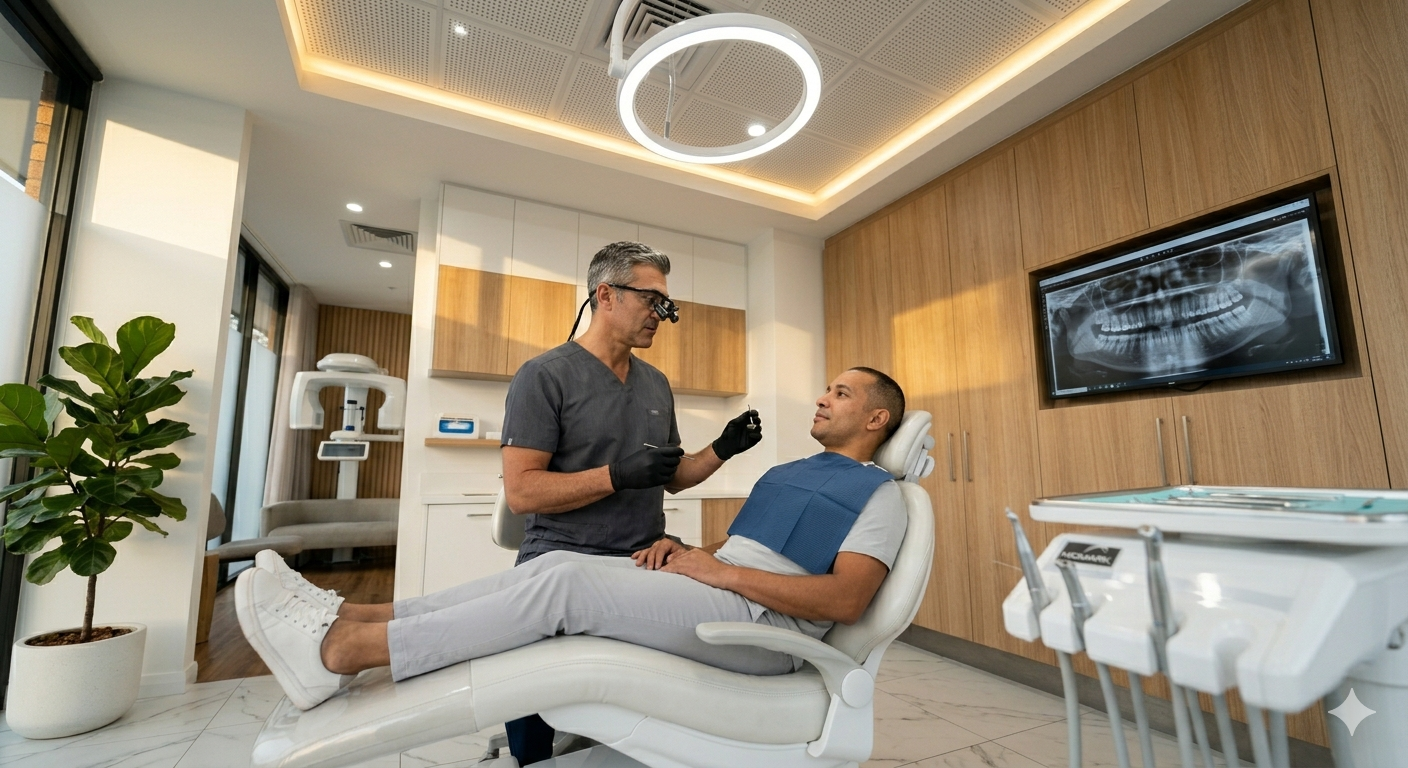
When dental emergencies strike in Oak Brook, IL, quick and professional care is essential to prevent further pain or damage. Emergency dental services in Oak Brook are designed to provide immediate relief for issues like severe toothaches, broken teeth, and other urgent oral problems.
These services offer access to experienced dentists who use modern techniques to manage pain and restore dental health quickly. Whether it’s a sudden injury or unexpected discomfort, knowing where to turn can make a big difference in the outcome.
Many local dental offices prioritize patient comfort and provide streamlined care to address emergencies promptly. Reaching out early can help avoid complications and ensure a smoother recovery.
Signs You Need Urgent Dental Care
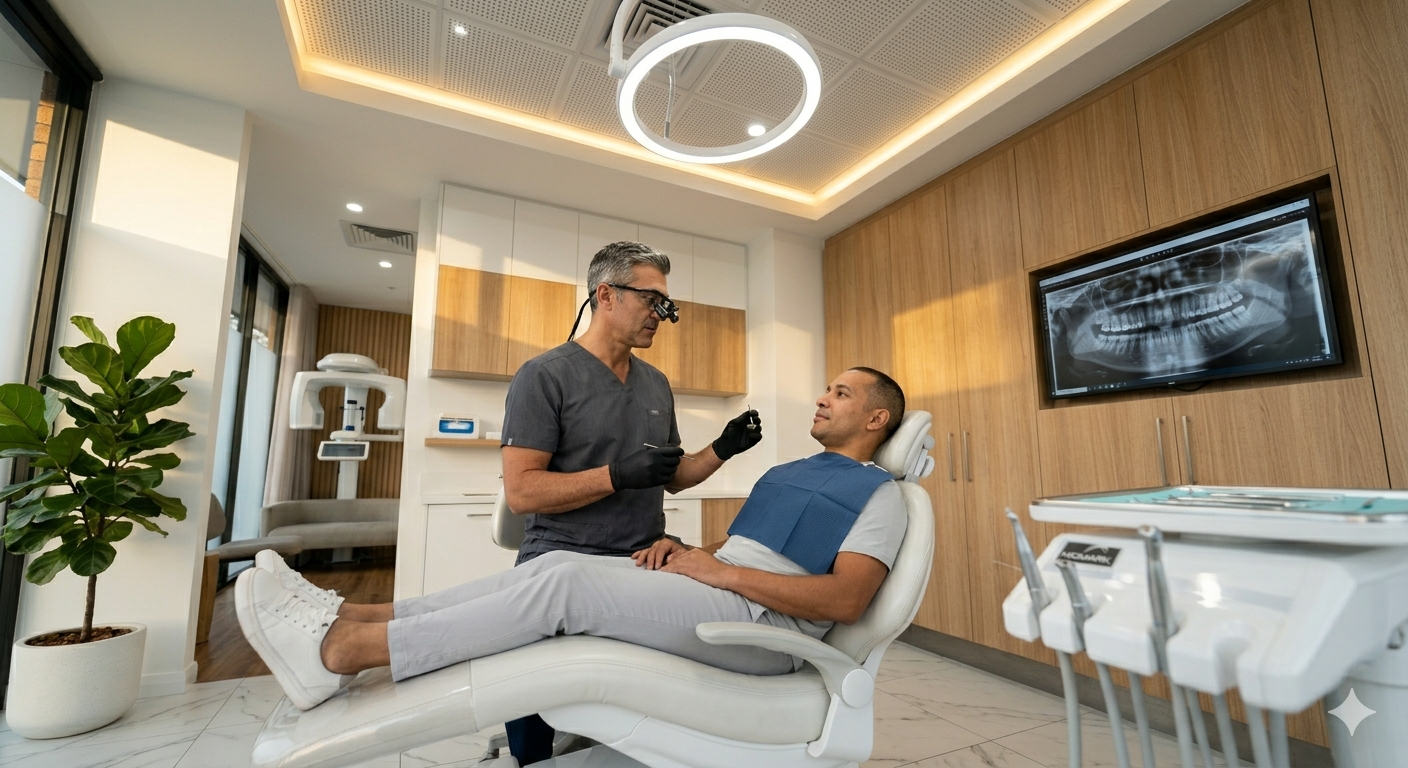
Knowing when a dental problem requires immediate attention can prevent serious complications. Some issues are clear and painful, while others might seem minor but could develop quickly. Recognizing these signs helps ensure prompt care and faster relief.
Common Dental Emergencies
Dental emergencies often involve sudden pain, injury, or damage. These include knocked-out teeth, severe toothaches, broken or cracked teeth, and abscesses. For example, if a tooth is completely knocked out, acting quickly to preserve it can improve the chance of saving the tooth.
Other emergencies include lost fillings or crowns that expose nerves, causing intense sensitivity or pain. Injuries that cause cuts to the gums or mouth may lead to bleeding and swelling. Any significant trauma to the face or mouth can affect dental health and requires urgent evaluation.
Symptoms That Should Not Be Ignored
Certain symptoms suggest deeper problems needing quick action. Persistent and severe tooth pain, especially if it lasts more than a day, signals infection or decay. Swelling around the tooth or jaw can indicate an abscess, which may spread and become dangerous if untreated.
Other warning signs are fever combined with oral pain, difficulty swallowing or breathing, and continuous bleeding after injury. Sensitivity to hot or cold that worsens suddenly also calls for a prompt checkup. Taking these symptoms seriously prevents worsening conditions.
When to Seek Immediate Attention
Immediate dental care is necessary for uncontrolled bleeding, trauma from accidents, or when a tooth is dislodged entirely. Difficulty breathing or swallowing due to swelling requires not only dental but emergency medical intervention.
If pain is unbearable and doesn’t ease with over-the-counter medication, or if you notice pus or discharge around a tooth, these are signals to call an emergency dentist right away. Quick treatment lowers risks of infection spreading and preserves oral health.
What to Expect During Your Visit
When you arrive for emergency dental care in Oak Brook, the team focuses first on understanding your situation clearly. They work quickly to reduce pain, ensure comfort, and use the latest technology to diagnose and treat your problem efficiently.
Initial Assessment and Diagnosis
The visit starts with a careful review of your dental issue and medical history. The dentist asks about your symptoms, when they began, and any recent injuries or problems. This helps pinpoint the cause of your discomfort.
Next, a thorough examination takes place. The dentist looks at your teeth, gums, and mouth for visible issues. They often use X-rays or digital scans to spot hidden damage like cracks, infections, or abscesses. These tools show details that a visual check can miss.
The goal here is fast, accurate diagnosis so the treatment plan fits your specific needs. Clear communication helps the patient understand what steps will follow.
Pain Relief and Comfort Measures
Pain relief is a priority from the moment you walk in. Dentists use local anesthetics to numb the area, making procedures as painless as possible. For severe pain, they may offer additional medication options.
Comfort is managed beyond just numbing the site. The staff reassures patients throughout the visit, explaining steps and answering any questions. They also provide support for anxiety, which is common in emergencies.
Ice packs, gentle treatment methods, and breaks during care ensure you stay comfortable. This focus helps patients feel safe and cared for, even when facing urgent dental issues.
Modern Tools for Quick Treatment
Emergency dental offices in Oak Brook use advanced tools to speed up care while improving outcomes. Digital X-rays reduce radiation and deliver immediate images. This allows quicker decisions on treatment.
Laser dentistry is sometimes employed to treat infections or gum issues with less bleeding and faster healing. High-speed drills and suction devices help fix fractures or remove decayed tissue efficiently.
These technologies reduce time in the chair and improve precision. Using modern equipment means patients get effective, gentle care tailored to emergency needs.
Types of Immediate Treatments Available
Emergency dental care in Oak Brook, IL, covers a range of urgent situations. Patients can expect effective pain relief, restoration, and infection control using modern techniques designed for quick and lasting results.
Handling Toothaches and Infections
Toothaches are often caused by infection or inflammation, making prompt treatment essential. Dentists start by diagnosing the source, often using X-rays to pinpoint decay or abscesses.
Pain relief is a primary goal. They may prescribe antibiotics for infections and recommend over-the-counter painkillers. In some cases, a root canal is performed immediately to remove infected tissue and save the tooth.
If swelling is present, ice packs and elevated head positioning are advised to reduce discomfort. Early intervention prevents the problem from worsening and reduces the risk of spreading infection.
Repairing Broken or Knocked-Out Teeth
Broken or knocked-out teeth require fast action to increase the chance of saving them. If a tooth is knocked out, it should be kept moist — either in milk or a tooth preservation solution — and brought to the dentist immediately.
For breaks or chips, emergency dentists can smooth rough edges, apply bonding materials, or place temporary crowns. More complex fractures might need full crowns or, in severe cases, extraction and replacement options.
Timely care minimizes pain and helps preserve the appearance and function of the teeth, which is especially important for front teeth.
Managing Lost Fillings or Crowns
Losing a filling or crown can expose sensitive areas of the tooth to air, food, and bacteria. This often causes discomfort or increases the risk of further damage.
Dentists quickly assess the tooth’s condition to decide if the restoration can be re-cemented or if a new filling or crown is needed. Temporary materials may be used to protect the tooth until a permanent repair is possible.
It’s important to avoid sticky or hard foods and keep the exposed area clean before treatment to reduce discomfort and prevent infection.
How to Prepare for an Emergency Appointment
Preparing for an emergency dental appointment means acting quickly while staying organized. Knowing what to do before heading to the clinic can ease stress and help the dentist provide timely, effective care.
Essential Steps to Take Before You Arrive
First, call the emergency dental office in Oak Brook to describe your symptoms. This helps the staff prioritize your visit and advise whether immediate care is needed.
If you have pain, rinse your mouth gently with warm water to clean the area. Avoid using aspirin or placing it directly on the gums since it can irritate tissues.
Applying a cold compress to the outside of your cheek can reduce swelling. If there’s bleeding, use a clean cloth to apply gentle pressure.
Refrain from eating hard foods or chewing near the injured tooth to prevent further damage.
What Information to Bring With You
Bring your dental insurance card and a photo ID to speed up registration. If it’s your first visit to this dentist, carry any previous dental records or X-rays if available.
List any medications you take, including doses and frequency. Inform the staff about allergies or medical conditions, as these details affect treatment choices.
Also, note the date and description of your dental emergency. Clear information helps the dentist understand your situation and plan care precisely.
If possible, bring a trusted person along for support and to assist with driving if necessary.
Benefits of Choosing a Local Oak Brook Dentist
Opting for a local dentist in Oak Brook offers timely care and the ease of consistent support. Patients avoid long waits and complicated scheduling, especially when emergencies arise. Being close to home means personalized attention and a smoother path toward recovery.
Faster Care Close to Home
When a dental emergency happens, every minute counts. A local Oak Brook dentist can often see patients the same day, reducing pain and preventing further damage. Traveling far can delay treatment, making issues worse or more complicated.
Local clinics understand the community’s specific needs, stocking necessary equipment for common emergencies like broken teeth or severe pain. This readiness ensures swift diagnosis and relief. Plus, shorter travel time lowers stress, making urgent visits less daunting.
Emergency appointments near home also mean family members can provide support quickly. Whether it’s a child or adult, having trusted care close by adds peace of mind in stressful situations.
Follow-Up and Ongoing Support
After emergency treatment, follow-up care is essential to ensure proper healing and prevent repeat issues. Local dentists maintain detailed records, allowing them to track progress and adjust care as needed.
Being nearby makes scheduling follow-ups easier, fitting into busy lives without added travel. Patients benefit from continuity—familiar staff recognize their history and preferences, creating a comfortable environment.
Local dentists also offer preventive services to help avoid future emergencies. Regular cleanings, exams, and advice tailored to Oak Brook residents’ lifestyles strengthen dental health and reduce risks over time.
Preventing Future Dental Emergencies
Taking the right steps daily can greatly reduce the chance of sudden dental problems. Simple habits and protective measures form the foundation for keeping teeth safe from unexpected damage or pain.
Everyday Oral Health Tips
Daily care is essential to prevent infections, tooth decay, and injury. Brushing twice a day with fluoride toothpaste removes plaque and strengthens enamel. Flossing once daily clears debris from between teeth where brushes can’t reach.
Limiting sugary snacks and drinks helps stop acid attacks that erode teeth. Drinking plenty of water rinses the mouth, keeping bacteria levels low. Scheduling regular dental checkups allows early detection and treatment of small issues before they become emergencies.
If pain or sensitivity persists, seeing a dentist promptly prevents worsening problems. Avoid biting hard objects like ice or popcorn kernels to protect fillings and natural teeth from cracks or breaks.
Protective Gear for Sports
Wearing a custom-fitted mouthguard significantly lowers the risk of dental injuries during contact or high-impact sports. Off-the-shelf guards can work but often don’t provide the same comfort or fit, which may reduce wear time.
A mouthguard cushions blows to the face, absorbing impact and stabilizing teeth. It also protects soft tissues like lips and tongue from cuts. Helmets with face shields add extra protection for athletes in baseball, hockey, or football.
Parents should ensure children and teens use mouthguards during practices and games, and replace them as needed since wear weakens material over time. Investing in proper protective gear is a simple step with big benefits for long-term dental health.
Guidance for After-Hours Situations
Knowing how to handle a dental problem outside regular office hours can reduce pain and prevent complications. Immediate, careful steps can protect teeth and gums until professional care is available.
Steps to Take Until You Can Be Seen
If a dental emergency occurs after hours, the first priority is to control pain and bleeding. Rinse the mouth gently with warm water to clean the area. Use a cold compress on the face near the injury to reduce swelling.
For a knocked-out tooth, try to place it back in the socket without forcing it. If that’s not possible, keep the tooth moist by placing it in milk or saliva. Avoid touching the root, as this can damage the cells needed for reattachment.
Over-the-counter pain medications like ibuprofen can ease discomfort. Avoid aspirin because it may increase bleeding. Stay calm and avoid eating hard or hot foods until seeing a dentist.
When to Visit an Emergency Room
An emergency room visit is necessary if the injury involves heavy bleeding that does not stop after 15 minutes. Severe facial trauma, difficulty breathing or swallowing, or loss of consciousness are also reasons to seek ER care.
However, many dental emergencies, like broken teeth or abscesses, are best treated by a dentist. The ER can manage pain and severe symptoms but may not provide the necessary dental repair. Contacting an emergency dental clinic in Oak Brook is often the more effective choice for timely, specialized care.
Gentle Care for All Ages
Emergency dental situations can be stressful for anyone, especially children and seniors. Oak Brook dental professionals understand this and focus on providing gentle, compassionate care tailored to each patient’s needs.
For young children, the team uses calm, reassuring language to ease fears. They also have a variety of kid-friendly tools and techniques that help make procedures as comfortable as possible. This focus helps build trust and makes future visits easier.
Adults receive thorough explanations and pain management options that respect their comfort levels. Seniors often require special attention due to sensitive teeth or medical conditions. Dentists here adjust treatments gently and take extra time to ensure each step feels safe.
Common features of gentle care include:
- Customized pain control
- Patient education to explain each procedure
- A calm, welcoming environment
Whether it’s a sudden toothache, a broken crown, or swelling, dental providers in Oak Brook aim to help patients of all ages feel supported. If an emergency strikes, they encourage reaching out quickly to get the care that keeps smiles healthy without added stress.
Taking the Next Step Toward Relief
When a dental emergency strikes, knowing where to turn makes all the difference. Oak Brook residents can count on local clinics that offer quick, compassionate care tailored to urgent needs.
The first step is to call a trusted emergency dental provider. Many offices have extended hours or on-call dentists ready to address pain, injury, or sudden swelling. This helps reduce anxiety and ensures timely treatment.
Here’s what to keep in mind before you go:
- Describe symptoms clearly: This helps the staff prepare for your visit.
- Bring dental records if possible: They provide useful background.
- Avoid home remedies that delay care: Ice or over-the-counter pain relief can help but don’t replace professional care.
During the visit, the dental team will prioritize comfort and quick diagnosis. Treatments might include tooth repair, infection control, or providing special instructions for follow-up care.
It’s also a good time to discuss preventive tips to avoid future emergencies. Small changes in routine can protect your smile long-term.
Encourage anyone experiencing dental pain or trauma to seek help promptly. Emergency dental services in Oak Brook are designed to guide patients gently from pain to relief with expert support every step of the way.
Frequently Asked Questions
Knowing when to seek emergency dental care can be confusing. Understanding symptoms and what steps to take at home helps patients act quickly and wisely.
What counts as a true dental emergency versus something that can wait until morning?
A true dental emergency involves severe pain, uncontrollable bleeding, knocked-out teeth, or swelling that affects breathing or swallowing. Minor chips, loose fillings, or mild discomfort usually can wait until regular office hours.
How quickly should I be seen if I have a severe toothache or swelling?
Severe tooth pain or swelling should be evaluated within 24 hours. Delaying care can lead to infection spreading or more complicated treatments.
Can I go to the ER for a dental problem, and what can they actually do for me?
Emergency rooms can address severe pain or swelling but typically will not fix dental issues. They often provide pain relief and antibiotics, then refer patients to a dentist.
What should I do at home right away if I think I have a tooth infection or abscess?
Rinse your mouth gently with warm salt water to reduce bacteria. Avoid applying pressure on the swollen area and contact an emergency dentist as soon as possible.
How can I manage pain safely until I can get in to see a dentist?
Over-the-counter pain relievers like ibuprofen can help reduce pain and inflammation. Avoid aspirin directly on the gums and don’t exceed recommended dosages.
What are my options if I need urgent dental care but I’m worried about the cost?
Many emergency dentists offer payment plans or financing. Some clinics provide sliding scale fees, and dental schools may offer affordable urgent care options. It’s best to ask about costs upfront.