
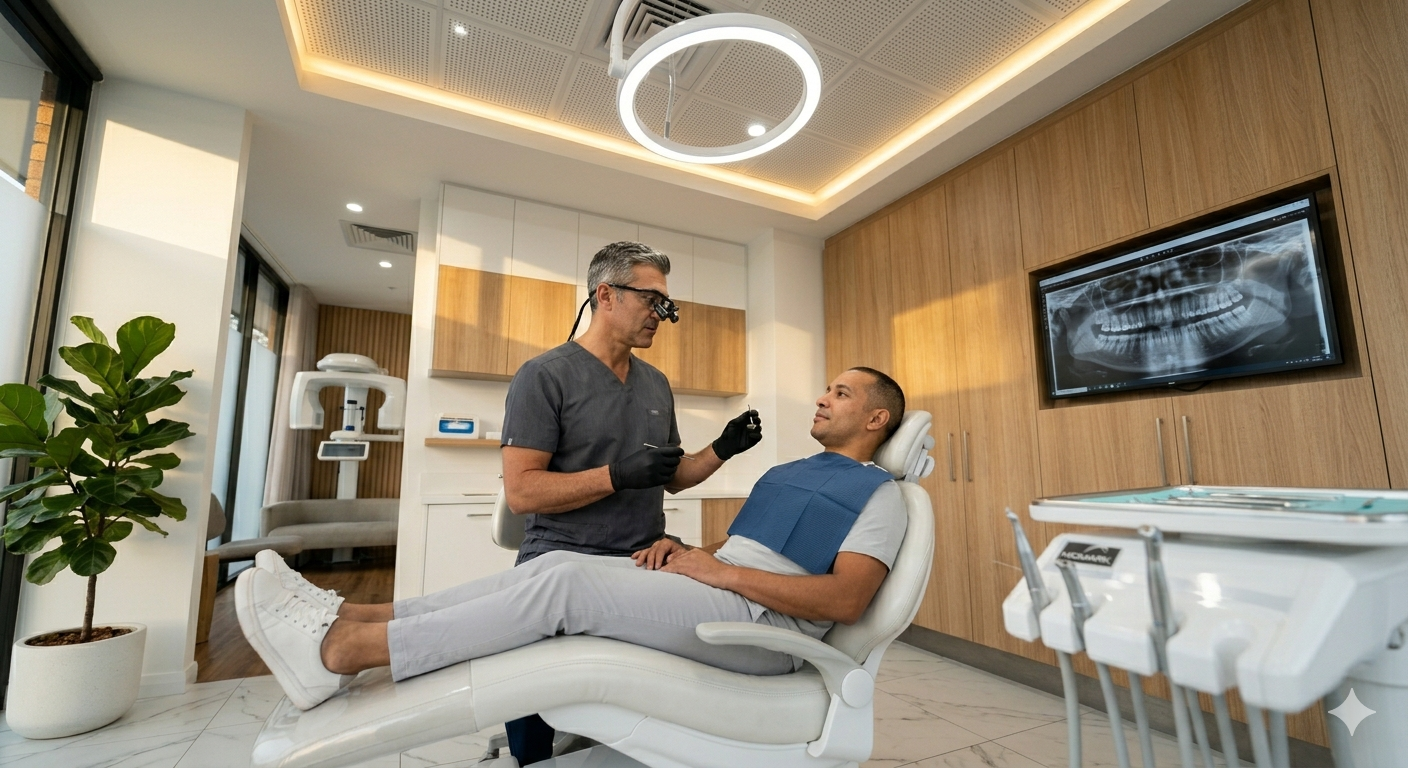
You might feel sudden pain, a knocked-out tooth, or swelling and not know where to turn — Oak Brook has prompt emergency dental options to get you back to comfort and function quickly. If you need urgent care, a nearby emergency dentist can often see you the same day, stabilize the problem, and prevent longer-term damage.
The article will explain how to recognize real dental emergencies, what immediate steps to take, and which treatment options are available near Oak Brook so you can act confidently when time matters. Expect clear guidance on what local providers offer, how to prepare for unexpected issues, and simple prevention tips to reduce future risk.
Recognizing Dental Emergencies
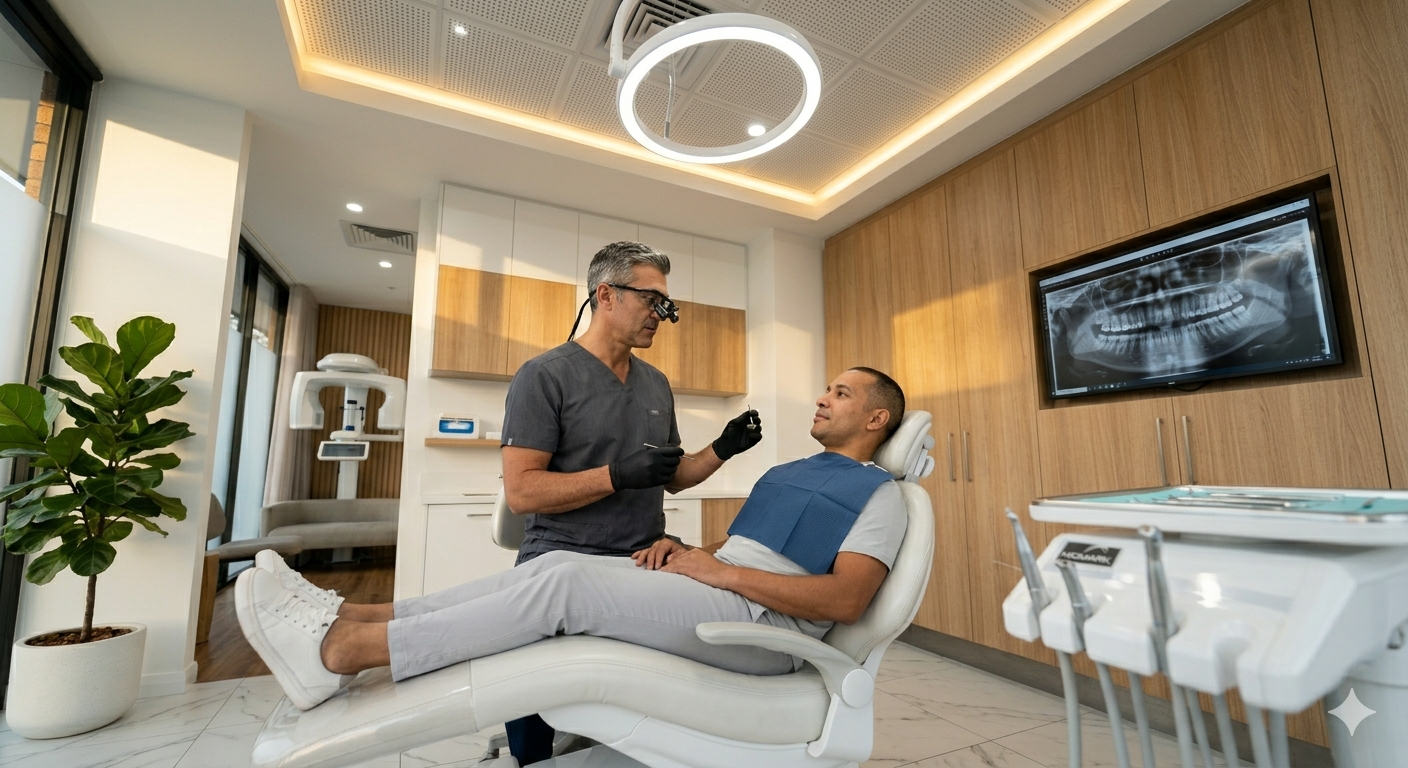
Quick recognition of a dental emergency helps patients get appropriate care fast. The following points show typical signs, when immediate care is needed, and how to judge urgency so patients can act confidently.
Common Signs and Symptoms
Patients often report sudden, severe tooth pain that wakes them at night or prevents normal activity. Pain that is sharp, throbbing, or radiates to the jaw or ear can indicate infection, an abscess, or a cracked tooth.
Visible injuries such as a knocked-out tooth, a tooth broken down to the gum line, or a crown that has come off expose sensitive tissue and need prompt attention to preserve structure.
Swelling of the face, gums, or neck is a red flag for spreading infection. Fever and difficulty swallowing or breathing alongside dental pain suggest systemic involvement and require urgent evaluation.
Bleeding that won’t stop after 10–15 minutes of firm pressure also counts as an emergency and may need surgical or medical management.
When to Seek Immediate Care
Seek immediate care for a tooth that has been completely dislodged; preserving the tooth often depends on rapid reimplantation within one hour.
If a tooth is fractured and exposes the pulp (visible pink/red tissue) or there is persistent, severe pain, contact an emergency dentist the same day to prevent infection and save the tooth.
Facial swelling with fever, red streaks on the skin, or trouble breathing/swallowing demands emergency room or urgent dental clinic evaluation.
Uncontrolled bleeding after an extraction or trauma, and dental injuries in children where airway risk exists, also require same-day attention.
How to Assess Urgency
Use a simple checklist to triage: severe pain, uncontrolled bleeding, facial swelling with systemic symptoms, and avulsed teeth score highest for immediate care.
Less urgent but still important issues include a lost filling or crown without pain, minor chips, and mild toothache—these typically wait for a next-day appointment.
Practical steps help decide action: for a knocked-out tooth, hold the tooth by the crown, rinse briefly, and attempt to reinsert or store it in milk, then go to the dentist within 60 minutes.
For pain control, use OTC ibuprofen unless contraindicated, apply cold compresses for swelling, and avoid placing aspirin directly on gums. These measures buy time until professional treatment.
Immediate Steps to Take During a Dental Crisis
Act quickly, stay calm, and prioritize safety. The following steps outline practical actions to reduce pain, protect teeth, and preserve tissue before professional care.
Managing Pain and Swelling at Home
For acute pain, have the person rinse gently with warm salt water (half a teaspoon of salt in 8 ounces of warm water) to clean the area and reduce bacteria. Over-the-counter pain relievers like ibuprofen or acetaminophen can be used at the labeled dose to control pain and inflammation; avoid placing aspirin directly on the gum or tooth.
Apply a cold compress to the outside of the cheek for 10–20 minutes on, then 10–20 minutes off, to reduce swelling and numb pain. Keep the head elevated when lying down to lessen throbbing. If there is visible infection (increasing swelling, fever, red streaks), seek urgent dental or medical care right away.
Avoid hard or crunchy foods on the injured side and chew soft foods if possible. Use dental wax or sugarless gum to cover sharp edges of a broken tooth to prevent cheek or tongue cuts until the dentist can repair it.
Handling Knocked-Out or Broken Teeth
If a tooth is completely knocked out, pick it up by the crown (the chewing surface), not the root. Rinse the tooth gently under cold water only if dirty; do not scrub or remove attached tissue fragments.
Try to reinsert the tooth into its socket with gentle pressure; hold it in place by biting on gauze or a clean cloth. If reinsertion is not possible, store the tooth in milk, saline, or the patient’s saliva (inside the cheek) to keep it moist. Time matters—bring the tooth to the dentist within 30–60 minutes for the best chance of saving it.
For a fractured tooth, save any pieces and rinse them in water. Small chips may be smoothed by the dentist with bonding or veneers, while larger breaks may require crowns or root canal treatment. Photograph the injury and bring X-rays if available when presenting to the emergency dentist.
What Not to Do Before Seeing a Dentist
Do not attempt to clean deeply embedded objects from a wound; leaving lodged fragments in place is safer until a professional can assess and remove them. Avoid using topical numbing agents like benzocaine on children under two and use them sparingly otherwise, as they can mask symptoms and cause complications.
Do not delay seeking care because of fear or cost; untreated injuries can worsen quickly and require more extensive treatment. Avoid using household remedies such as alcohol, hydrogen peroxide directly in deep wounds, or wrapping the face tightly, which can impede diagnosis and healing.
Do not ignore signs of systemic infection—fever, spreading swelling, difficulty breathing, or swallowing require immediate ER or urgent care attention rather than home treatment alone. Contact the emergency dentist in Oak Brook, IL promptly for guidance and to arrange timely treatment.
Treatment Solutions Available Near Oak Brook
Many Oak Brook clinics prioritize fast access, pain control, and repairs that restore chewing and appearance. Patients can expect same-day evaluations, tooth-preserving restorations, and comfort options like sedation and gentle anesthesia to make urgent care manageable.
Same-Day Appointments
Local practices commonly reserve slots for urgent dental needs, often offering same-day consultations from early morning through evening hours. Patients should call before arriving; clinics typically confirm availability and triage by symptom severity to prioritize infections and uncontrolled pain.
Walk-in availability varies by office; some Oak Brook providers post real-time openings online or maintain an emergency hotline. Insurance, payment options, and required ID or medical history are usually reviewed at check-in to speed treatment. For after-hours crises, several practices partner with an on-call dentist who can provide telephone advice and schedule the next available appointment.
Restorative Dental Procedures
Dentists in Oak Brook treat cracked, fractured, and avulsed teeth with targeted options: direct composite fillings for small fractures, porcelain crowns for extensively damaged teeth, and bonded splints for loose teeth after trauma. Endodontic therapy (root canal) is provided when infection reaches the pulp, often completed in one or two visits depending on complexity.
When a tooth cannot be saved, options include immediate-extraction followed by a temporary partial denture or a same-day implant in select cases. Local labs often produce same-week crowns using CAD/CAM technology, reducing temporary crown time. Clinicians discuss durability, cost, and maintenance for each choice so patients can make informed decisions aligned with their oral health goals.
Comfort-Focused Approaches
Oak Brook dentists use multiple strategies to minimize pain and anxiety during emergency care. Topical anesthetics and local nerve blocks provide reliable numbness for procedures, while oral or nitrous oxide sedation calms nervous patients without deep unconsciousness. For more complex cases, IV sedation or referral to an oral surgeon is available.
Offered comfort measures include warm blankets, noise-canceling headphones, and paced communication to explain each step. Post-procedure pain management plans typically combine short courses of NSAIDs with clear home-care instructions and a follow-up call or visit to monitor healing.
What Sets Local Emergency Providers Apart
Local emergency dental practices combine quick access, targeted pain relief, and coordinated follow-up care to get patients out of pain and back to normal function. They emphasize same-day or next-day appointments, streamlined triage, and clear next steps for definitive treatment.
Patient-Centered Service Philosophy
Oak Brook emergency dentists prioritize rapid assessment and clear communication. Patients receive a focused exam, pain-rating assessment, and a written treatment plan outlining immediate care, estimated costs, and recommended follow-up with a primary dentist. Staff members document allergies, medications, and medical history up front to avoid delays during procedures.
Practices also stabilize problems first—control bleeding, reduce swelling, and manage infection—before performing definitive restorations when appropriate. Intake forms and checklists reduce repeated questions and speed treatment. Many offices offer flexible scheduling, direct billing to major insurers, and transparent pricing for common emergency services like extractions and root canal starts.
Advanced Technology and Techniques
Oak Brook providers use digital X-rays and cone-beam CT scans to pinpoint fractures, periapical abscesses, and hidden tooth fragments quickly. Digital imaging reduces exposure and produces immediate results that the clinician uses to explain the diagnosis to the patient. In-office 3D imaging helps plan extractions and evaluate neighboring structures, improving safety for complex cases.
For pain control and infection, clinicians rely on local anesthesia protocols tailored by weight and medical history, plus rapid-onset antibiotics when needed. Many clinics maintain sterilization standards above regulatory minimums and use disposable items for high-risk steps. Ultrasonic instruments, high-speed evacuation, and isolation (rubber dam) increase efficiency and lower contamination risk during procedures.
Support for Nervous Patients
Emergency visits can be stressful, and local teams train specifically to reduce anxiety. Reception staff give clear arrival instructions and expected wait times. Clinicians use plain-language explanations and show images from digital X-rays to help patients understand the problem and choices.
For those with dental fear, offices offer mild oral sedatives, nitrous oxide, or IV sedation when indicated and when a qualified clinician is available. Staff monitor vitals and provide post-procedure recovery instructions in writing. Child-friendly rooms, noise-canceling headphones, and calm-down techniques further improve comfort for anxious patients.
Preparing for Unexpected Issues
Keep a small, organized kit and clear contact info ready so patients can act quickly when pain, a knocked-out tooth, or a lost filling occurs. Practical supplies and accessible phone numbers reduce panic and help preserve dental tissue before professional care.
Compiling an Oral Health Emergency Kit
An emergency kit should fit in a small pouch and be checked every six months for expired items. Include:
- Gauze pads (several) to control bleeding.
- Sterile saline or bottled water for rinsing debris.
- Temporary dental cement or sugarless chewing gum to cover exposed dentin or a lost filling until the dentist can see them.
- A small container with a lid for storing a knocked-out tooth; keep milk or saline nearby to preserve it.
- Over-the-counter pain relievers (ibuprofen or acetaminophen) with dosage instructions written down.
- Disposable gloves and tweezers for handling debris or a tooth without touching roots.
- A soft-bristled travel toothbrush and fluoride toothpaste for gentle cleaning after an injury.
Label each item and add a card with allergy info, current medications, and the patient’s last dental appointment date.
Saving Your Dentist’s Contact Information
Store the dental office phone number in at least three accessible places: the phone’s contacts, a paper wallet card, and on the refrigerator. Include the emergency after-hours line, the main clinic number, and the patient portal URL or app instructions.
Post the dentist’s address and directions for the fastest route to the Oak Brook clinic. If the clinic offers texting or teletriage, note hours and expected response time. Add a second contact—another family member or the nearest urgent dental clinic—and update this list whenever insurance or providers change.
Reducing Future Risks
Focus on practical steps families can take to lower the chance of dental emergencies, maintain restorations, and protect teeth during sports and daily activities.
Preventive Strategies for Families
Families should keep a small dental emergency kit at home with items like gauze, over-the-counter pain relievers, a dental mirror, and the dentist’s after-hours contact number. Store the kit where caregivers can reach it quickly, and check supplies every three months.
Establish consistent brushing and flossing routines: brush twice daily with fluoride toothpaste and floss once daily. For children, use age-appropriate fluoride amounts—rice-sized for under 3, pea-sized for 3–6—and supervise brushing until about age 8.
Schedule vaccinations and maintain general health to reduce infection risks that can complicate dental issues. Teach children not to chew hard objects (ice, popcorn kernels, pens) and avoid using teeth to open packages. Replace worn toothbrushes every three months or after illness.
How Regular Checkups Help
Regular dental exams catch small problems before they become emergencies. Professional cleanings remove plaque and tartar that daily brushing can miss, lowering the chance of cavities and gum disease that lead to acute pain or tooth loss.
Dentists use X-rays and exams to identify hidden fractures, failing fillings, or early root infections. Detecting these issues allows for targeted treatments—like bonded restorations or root canal therapy—scheduled at a convenient time rather than rushed in an emergency.
Checkups also let the dental team update bite guards, monitor wisdom teeth, and advise on medication-related dry mouth that increases decay risk. Most practices recommend exams every six months, but high-risk patients may need visits every three to four months.
Custom Mouthguards and Safety Tips
Custom-fit mouthguards provide far better protection than store-bought options. Dentists take impressions to make guards that fit snugly over teeth, distribute impact forces, and reduce the risk of tooth fracture, lip and cheek lacerations, and jaw injuries.
Recommend mouthguards for contact sports (football, hockey) and for non-contact activities with fall risk (skateboarding, gymnastics). For bruxism (teeth grinding), a different custom nightguard protects enamel and prevents cracked teeth over time.
Teach proper care: rinse after use, clean with mild soap and a soft brush, and store in a ventilated case. Replace mouthguards when they show wear, become loose, or after major dental work. Parents should bring mouthguards to dental visits so the dentist can check fit and function.
Next Steps for Your Dental Health
They should call the Oak Brook emergency dental clinic right away if pain, swelling, or uncontrolled bleeding occurs. Prompt contact helps the team prioritize care and reduce the risk of complications.
If a same-day appointment isn’t available, they should follow basic home measures: rinse gently with warm salt water, apply a cold compress for swelling, and avoid hard or sticky foods. These steps can limit discomfort until professional care begins.
They should bring a list of medications, recent dental records, and any dental insurance information to the visit. Having this ready speeds up diagnosis and treatment decisions.
After the emergency visit, the dentist will outline follow-up care, which may include temporary restorations, antibiotics, or referral for a specialist. Patients should schedule any recommended follow-ups before leaving the office.
They should also use the incident as an opportunity to review preventive habits—brushing twice daily, flossing, wearing a mouthguard for sports, and keeping regular checkups. Preventive steps reduce the chance of future emergencies.
If anxiety is a concern, the clinic can discuss comfort options like local anesthesia or sedation. Asking about these before treatment helps patients feel calmer and more prepared.
Contact the Oak Brook dental office with questions, to confirm coverage, or to set up appointments. The staff can guide them through next steps and help arrange timely, comfortable care.
Frequently Asked Questions
This section answers practical concerns about urgent dental care, including what qualifies as an emergency, expected wait times, how hospitals handle tooth problems, immediate at-home steps for traumatic injuries, comfort measures for anxious patients, and payment or financing options.
What counts as a true dental emergency, and when should I seek care right away?
True dental emergencies include uncontrolled bleeding, severe tooth or jaw pain that prevents sleep or eating, obvious facial swelling that affects breathing or swallowing, and a tooth knocked completely out. Deep lacerations inside the mouth, broken teeth exposing the nerve, and signs of a spreading infection (fever with increasing redness or swelling) also require immediate attention.
Less urgent issues—mild sensitivity, a small chip without pain, or a loose filling—can usually wait for a next-day appointment. If in doubt, contact the emergency dental office for quick guidance; they can triage by phone and advise whether to come in now.
How quickly can I be seen if I’m in severe tooth pain or have facial swelling?
Most emergency dental clinics prioritize patients with severe pain, swelling, or infection and will offer same-day appointments. Many practices reserve slots daily for true emergencies and can often see patients within a few hours.
If the office is closed, on-call dentists often provide phone triage and arrange an immediate visit at the emergency clinic or next-available opening. Calling ahead helps staff prepare necessary pain control and imaging.
Can a hospital emergency room treat tooth pain, or will I still need a dentist afterward?
Hospital ERs can provide short-term relief: pain medication, antibiotics for spreading infections, and urgent airway management if swelling is severe. ER staff generally cannot perform definitive dental treatments like root canals, crown placement, or tooth replantation.
Patients treated in the ER should follow up with a dentist within 24–48 hours for definitive care. The dentist will address the underlying dental cause and provide restorative or surgical treatment as needed.
What should I do at home to protect a knocked-out or broken tooth before I come in?
For a knocked-out tooth, handle it by the crown only; avoid touching the root. Rinse gently with saline or milk if dirty, try to reinsert it into the socket if possible, or store it in cold milk or saliva and bring it to the dentist within one hour for the best chance of saving it.
For a broken tooth, preserve any fragments in milk, apply a cold pack to reduce swelling, and take over-the-counter pain relief as directed. Avoid chewing on that side and bring photos of the injury if fragments are missing.
How do you handle dental anxiety and keep patients comfortable during urgent treatment?
Emergency dental practices often offer multiple comfort measures: local anesthesia, nitrous oxide (laughing gas), oral sedatives, and guided breathing techniques to reduce anxiety. Staff communicate each step clearly and adjust pacing to keep patients informed and calm.
They also provide a quiet, private treatment area when possible and follow up after urgent care to review options for pain control and further treatment. Patients should mention past anxiety or bad experiences when calling so staff can prepare appropriate accommodations.
What payment options are available for emergency visits, including insurance and financing?
Most urgent dental clinics accept major dental insurance plans and will verify benefits before or at arrival. For uninsured patients, clinics commonly offer upfront pricing, payment plans, and third-party financing (CareCredit or similar) to spread costs.
Many practices accept credit cards, debit, and cash, and some provide sliding-scale fees for low-income patients. Patients should ask about estimates and financing options when they call to avoid unexpected bills.